Backup system for air conditioning control

If you live in Spain, you risk your air conditioning remote control letting you down in the summer. Here is a simple yet highly practical solution during the hot months here in Spain: having a universal air conditioning remote control readily available in a drawer.

If you prefer, you can listen to the article instead.

In many homes and offices across Spain, air conditioning systems are essential to cope with the heat. However, a common challenge we face is that most of these systems lack manual controls on the units themselves. This means the remote control is the only way to operate them. But what happens when the remote stops working, goes missing, or the batteries run out, and you do not have replacements in the house?

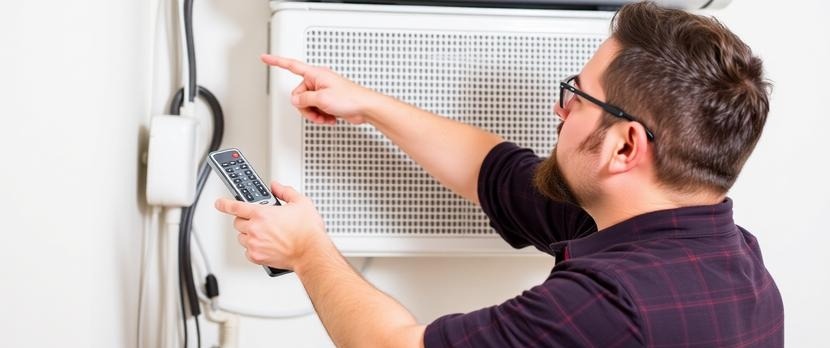
Man with an air conditioning remote control

This is where a universal remote control becomes invaluable. For less than 10 euros, you can have a reliable backup device that works with virtually any air conditioning system. Keeping this remote in a drawer (with a set of batteries) means you are always prepared.

Moreover, a universal remote offers convenience. It can control multiple air conditioners in different rooms or even different brands, simplifying your life and saving you time. It’s cost-effective, user-friendly, and easy to store.

In summary, investing less than 10€ in a universal air conditioning remote control is a smart, practical choice for anyone in Spain. It ensures continuous comfort, avoids the hassle of lost or broken remotes, and adds peace of mind during the long summer when air conditioning is needed most.

If your business or website can benefit from sponsoring this page with a link back, please contact us.

Feel free to share the article using any of the share buttons below.

Looking for a beach holiday? Read on

One of Spain’s most treasured assets is its breathtaking beaches. Whether you seek golden sands, crystal-clear waters, vibrant beach towns, or secluded coves, Spain has it all.

Let’s take you on a journey to some of the best beaches across this beautiful country.

First, we have the Costa del Sol, located in southern Andalusia. Known for its year-round sunny weather, the beaches here, such as Marbella and Nerja, offer beautiful sandy shores, lively nightlife, and excellent dining options. It’s perfect for those who want to relax during the day and enjoy vibrant social scenes at night.

Next, the Balearic Islands—Mallorca, Menorca, Ibiza, and Formentera—offer some of Spain’s most picturesque beaches. Formentera, in particular, is famous for its turquoise waters and unspoiled natural beauty, making it a paradise for snorkelling and nature lovers. Ibiza, while known for its parties, also boasts quiet coves and pristine beaches, such as Cala Comte.

Two people relaxing on a beach


Moving to the northeast, the
Costa Brava in Catalonia is dotted with charming beaches framed by dramatic cliffs and crystal-clear waters. Beaches such as Tossa de Mar and Calella de Palafrugell provide a mix of natural beauty and cultural heritage, ideal for families and explorers alike.

On the Atlantic coast, the Costa de la Luz offers wide sandy beaches and a more laid-back atmosphere. Cádiz and Tarifa are not only great for sunbathing but also famous for water sports like windsurfing and kitesurfing, thanks to the Atlantic winds.

Finally, the Canary Islands, located off the northwest coast of Africa, are a year-round destination for beach lovers. Tenerife, Lanzarote, and Gran Canaria offer unique volcanic landscapes alongside beautiful beaches like Playa de las Teresitas and Papagayo Beach, where golden sands meet stunning volcanic rock formations.

In conclusion, Spain’s beaches are as diverse as they are beautiful, each offering a unique experience. Whether you are looking for vibrant beach life, serene nature, or adventure sports, you will find the perfect spot on Spain’s coastline.

If your business or website can benefit from sponsoring this page with a link back, please contact us.

Feel free to share the article using any of the share buttons below.

Free banking in Spain is possible online

Having a Euro bank account is an important topic for UK citizens living in Spain, so accessing free internet banking with one is important.

Living abroad, especially in a different currency zone like the Eurozone, brings unique financial challenges. One of the most important steps for UK residents in Spain is managing money efficiently, and having a Euro bank account is essential for everyday transactions, bills, and receiving payments without costly currency conversion fees.

Fortunately, the rise of free internet banking has made this much easier. Many banks and fintech providers now offer Euro bank accounts with no monthly fees and fully digital services, designed with expatriates’ needs in mind. These accounts allow you to manage your money online, send and receive payments in Euros, and track your spending—all from your computer or smartphone.

Woman on phone doing online banking


For UK citizens living in Spain, these services offer convenience and flexibility. You can open an account remotely without needing to visit a branch in person, access customer support in multiple languages, and benefit from tools like instant notifications and budgeting features.

Some popular providers even offer debit cards linked to your Euro account, which you can use for free or low-cost purchases and ATM withdrawals throughout Spain and the Eurozone.

It is important to research and choose a bank or financial service that fits your lifestyle and offers security, good customer service, and transparent fees. Many online-only banks and fintech companies have simplified the process, making it straightforward to open and use a Euro account from abroad.

N26 and Wise Bank seem to offer what most people need. N26 is a Euro-only account, while Wise offers GBP and EUR accounts, making currency switching easy. 

In conclusion, free internet banking with a Euro bank account is a practical and accessible solution for UK citizens living in Spain. It helps you avoid unnecessary fees, manage your finances efficiently, and enjoy greater financial freedom while living overseas.

If your business or website can benefit from sponsoring this page with a link back, please contact us.

Feel free to share the article using any of the share buttons below.

This article suggests that Wise Bank is a good option for converting GBP to EUR in either direction. 

For more information, you have these links available.

Wise Bank Euro accounts as a primary account:

Wise Bank GBP accounts as a primary account:


Watch English programs on a Spanish TV

If you want to watch English programs on a Spanish television, the Amazon Fire TV Stick can be a great way to do so while living in Spain.

The Amazon Fire TV Stick is a compact streaming device that plugs into your TV’s HDMI port and connects to the internet via Wi-Fi. Once set up, it allows you to access a wide variety of streaming services, apps, and channels from around the world, including many that offer English-language content.

In Spain, the Fire TV Stick works just as well as it does anywhere else. You can install popular streaming apps such as Netflix, Amazon Prime Video, Hulu, and BBC iPlayer.


Two people watching a TV on the wall

Many of these platforms offer a rich selection of English movies, TV shows, documentaries, and live channels, giving you access to entertainment from the UK, the US, and beyond.

One important thing to keep in mind is that some content may be region-restricted due to licensing agreements. This means certain shows or channels available in the US or UK might not be directly accessible in Spain.

However, many users overcome this by using a Virtual Private Network, or VPN, on their Fire TV Stick. A VPN can mask your location and allow you to access content as if you were browsing from another country, unlocking a broader range of English-language programs.

Setting up a VPN on the Fire TV Stick is straightforward and can greatly expand your viewing options while maintaining your online privacy and security.

In summary, the Amazon Fire TV Stick is a versatile and user-friendly device that makes it easy to watch English-language programs in Spain. With the right apps and, if needed, a VPN, you can enjoy your favourite English TV shows and movies anytime, right from your living room.

If your business or website can benefit from sponsoring this page with a link back, please contact us.

Feel free to share the article using any of the share buttons below.

Ways to learn Spanish online

Did you know there are exciting, accessible ways to learn Spanish online? Whether you are a complete beginner or someone looking to improve your skills, the online world offers a variety of methods tailored to different learning styles and goals.

First, one of the most popular tools available is language-learning apps. Platforms like Duolingo, Babbel, and Memrise offer interactive lessons through games, quizzes, and spaced repetition. These apps are convenient because they allow you to practice anytime, anywhere, fitting easily into your daily routine.

Next, there are online courses and tutorials available on platforms such as Coursera, edX, and Udemy. These courses often include video lessons, assignments, and peer interactions, closely mimicking a classroom experience while allowing you to learn at your own pace.


Man trying to learn Spanish online

Another effective method is engaging with native speakers through language exchange platforms such as Tandem and HelloTalk, or through conversation groups on social media. Speaking with real people helps improve pronunciation, listening skills, and cultural understanding in ways that apps alone cannot.

Don’t forget the vast array of free resources available on platforms like YouTube, where channels dedicated to teaching Spanish cover grammar, vocabulary, and conversational tips. Podcasts are also a fantastic way to immerse yourself in the language while on the go, combining entertainment with education.

Finally, using online dictionaries and translation tools can support your learning process by helping you understand new words and phrases instantly, making reading and listening practice more productive.

In conclusion, the internet offers a wide range of ways to learn Spanish effectively. By combining apps, courses, real conversations, videos, and useful tools, anyone can build their language skills from the comfort of their home. The key is consistency and finding the mix that works best for you.

If your business or website can benefit from sponsoring this page with a link back, please contact us.

Feel free to share the article using any of the share buttons below.

4G-5G data connections for internet use

A common question in Spain is: Is a 4G data package sufficient for a reliable internet connection for those living in the countryside?

As we move deeper into the digital age, having dependable internet access is essential—not just in urban centres but also in rural and remote areas.

The countryside (campo), however, often faces connectivity challenges due to limited infrastructure. This leads us to consider alternatives, such as 4G mobile data packages, until 5G becomes more readily available.

4G technology offers several advantages for rural residents. It provides relatively high-speed internet access without the need for fixed-line connections, which can be costly and slow to install in remote locations.

With 4G, users can enjoy reasonable download and upload speeds, enabling activities such as browsing, streaming, video calls, and even remote work.


4G router for use at home

However, the suitability of 4G as a primary internet connection depends on several factors. Firstly, coverage is critical. While 4G networks have expanded considerably, some rural areas may still experience weak or inconsistent signals, leading to slower speeds or dropped connections.

Users need to verify network coverage maps and test signal strength at their specific location.
Secondly, data limits and costs play a significant role.

Many 4G packages come with data caps or higher costs for larger data allowances. For heavy internet users—such as those working from home, streaming high-definition content, or running smart home devices—these limitations may become restrictive or expensive over time. That said, unlimited data packages are now hitting the market.

Thirdly, latency and network stability should be considered. Fixed broadband connections often provide lower latency and more stable connections, which are important for online gaming, video conferencing, and other real-time applications.

In conclusion, a 4G data package can be a good and practical solution for internet access in the countryside, especially where fixed broadband is unavailable or unreliable. It offers flexibility and decent speeds for everyday use. However, prospective users should carefully assess coverage, data limits, and costs to determine if 4G meets their specific needs.

For those requiring more robust and consistent internet connectivity, exploring alternatives such as fixed wireless broadband, satellite internet, or future 5G services may be worthwhile.

If your business or website can benefit from sponsoring this page with a link back, please contact us.

Is installing solar panels a good idea?

First and foremost, homeowners interested in installing solar panels must be aware that the process involves several administrative steps. Before installation, it is necessary to obtain the appropriate permits from local municipal authorities. These permits ensure that the installation complies with urban planning regulations and building codes specific to each region.

Secondly, it is important to consider the technical requirements. Solar panel systems must meet the standards established by the Spanish Institute of Energy Diversification and Saving, known as IDAE. This includes adherence to safety protocols, quality controls, and proper connection to the electrical grid.


Engineer fitting solar panels

Although you can install them yourself with the right know-how, it is generally best to hire a professional company to install solar panels in your home. Here are several reasons why:

  1. Expertise and Experience: Professional solar installation companies have the technical knowledge and experience to design and install systems that comply with all relevant regulations and safety standards.
  2. Permits and Paperwork: These companies typically handle the necessary permits and paperwork for you, ensuring the installation process goes smoothly and legally.
  3. Quality Assurance: Reputable companies use high-quality equipment and provide warranties, giving you confidence in the durability and performance of your solar panels.
  4. Grid Connection: Professionals manage the connection of your solar system to the electrical grid, which is a regulated process requiring coordination with your utility provider.
  5. Incentives and Subsidies: Installation companies often help you navigate available government incentives, subsidies, and tax benefits to maximise your savings.
  6. Maintenance and Support: Many companies offer ongoing maintenance and support services, helping your system operate efficiently over its lifetime.

While it might be tempting to try a DIY approach, the complexities involved make professional installation a safer, more reliable, and ultimately cost-effective choice.

If your business or website can benefit from sponsoring this page with a link back, please contact us.

Is booking all-inclusive a good idea?

The Advantages and Disadvantages of Booking an All-Inclusive Holiday

All-inclusive holidays have become increasingly popular among holidaymakers seeking convenience and value. These packages typically include accommodation, meals, drinks, and various activities for a single upfront price.

While many find all-inclusive holidays appealing, they are not without drawbacks. Here’s a balanced look at the advantages and disadvantages of booking an all-inclusive holiday.

Advantages

1. Cost-Effective and Budget-Friendly

One of the biggest benefits of all-inclusive holidays is financial predictability. Since accommodation, food, drinks, and many activities are included in the price, holidaymakers can better manage their budgets without worrying about unexpected expenses during the trip. This can make vacations more affordable and less stressful.

2. Convenience and Simplicity

All-inclusive packages streamline the holiday planning process. Travellers don’t have to spend time researching restaurants, booking excursions, or managing multiple reservations. Everything is arranged in one place, allowing guests to relax and enjoy their time without logistical concerns.

3. Variety of Amenities and Activities

Many all-inclusive resorts offer a wide range of facilities and entertainment options, such as pools, sports, kids’ clubs, live shows, and fitness centres. This variety can cater to families, couples, and solo travellers alike, providing entertainment for all ages and interests at no extra cost.

4. Safety and Security

In unfamiliar destinations, staying at an all-inclusive resort can feel safer. Security measures are usually in place, and guests have easy access to assistance and services. This is particularly reassuring for families with children or travellers visiting countries where language barriers or cultural differences might pose challenges.


Getting food at an all inclusive hotel

Disadvantages

1. Limited Exploration and Local Experience

All-inclusive holidays can sometimes isolate guests from the local culture and community. Since meals, drinks, and entertainment are provided on-site, travellers might miss out on experiencing authentic local cuisine, traditions, and attractions outside the resort. This can result in a less immersive travel experience.

2. Potential for Overconsumption

With unlimited food and drinks readily available, some guests may overindulge, leading to food waste, increased caloric intake, and potential health issues. The abundance of options can also diminish appreciation for quality over quantity.

3. Quality and Variety Limitations

While many resorts offer diverse menus and activities, the quality can vary. Some all-inclusive packages may offer standard or buffet-style meals that lack culinary innovation. Additionally, the range of included activities might not satisfy travellers seeking more specialised or adventurous experiences.

4. Environmental Impact

All-inclusive resorts can have a significant environmental footprint. The high volume of food waste, water usage, and energy consumption associated with operating large-scale resorts can contribute to environmental degradation, especially in sensitive or remote locations.

Conclusion

Booking an all-inclusive holiday offers undeniable convenience, financial predictability, and a wide array of amenities that appeal to many holidaymakers. However, it also has limitations, such as reduced cultural immersion and potential compromises in quality. When deciding whether an all-inclusive package is right for you, consider your travel priorities, budget, and desire for authentic local experiences. By weighing these advantages and disadvantages, you can make an informed choice that ensures a rewarding and enjoyable vacation.

If your business or website can benefit from sponsoring this page with a link back, please contact us.

Using cash and cards in Spain? Check first

This article offers useful insights on getting the best exchange rates when spending money in Spain. Whether you are travelling for leisure, business, or living temporarily, knowing where to exchange your currency can help you save money and make your funds go further.

When it comes to exchanging money in Spain, not all services offer the same rates or fees. It’s important to understand your options to avoid unnecessary costs.

Firstly, using credit or debit cards is often one of the most convenient and cost-effective methods. Many banks offer competitive exchange rates that are close to the official market rate. However, be sure to check with your bank about any foreign transaction fees that may apply, as these can add to your expenses. Cards with no foreign transaction fees are ideal for international spending.

Man standing next to an ATM

Next, currency exchange bureaus, or “casas de cambio,” are widely available in tourist areas. While they provide easy access to cash, their exchange rates can vary significantly, and some may charge high commissions. It’s advisable to compare rates at different bureaus and avoid exchanging money at airports or hotels, where rates tend to be less favourable.

ATMs in Spain typically dispense cash at competitive rates, often better than currency exchange offices. Using an ATM linked to a major international bank can minimise charges. However, be aware of your home bank’s ATM withdrawal fees and limits.

Another option is to plan ahead and exchange currency before you travel. Some specialised online currency exchange services offer excellent rates and low fees, allowing you to order foreign currency in advance and have it delivered or ready for pickup.

In summary, the best exchange rates in Spain are generally found when using credit or debit cards without foreign fees and withdrawing cash from reputable ATMs. Currency exchange bureaus can be convenient but may come with higher costs, so it’s important to shop around. Planning ahead and using online exchange services can also be a smart strategy.

Thanks for reading. We hope these tips help you make the most of your money while enjoying your time in Spain.

If your business or website can benefit from sponsoring this page with a link back, please contact us.

When UK and EU citizens are tax liable in Spain

Certainly! Here is an article explaining what makes a non-Spanish person tax liable in Spain:

What Makes a Non-Spanish Person Tax Liable in Spain?

Spain is a popular destination for expatriates, retirees, and international investors, but understanding the country’s tax rules can be complex, especially for non-residents. Non-Spanish individuals may become liable for taxation in Spain depending on several factors, including residency status, property ownership, and income sources. This article outlines the key criteria that determine when a non-Spanish person becomes liable to tax in Spain.

1. Tax Residency in Spain

The primary factor that determines tax liability for individuals in Spain is tax residency. According to Spanish tax law, a person is considered a tax resident if they meet any of the following conditions during a calendar year:

  • They spend more than 183 days in Spain, whether consecutively or intermittently. Temporary absences can still be counted as days spent in Spain unless the individual can prove tax residency in another country.
  • Their main economic centre of interest is in Spain. This could mean that the individual’s primary business or professional activities, or the bulk of their economic interests, are in Spain.
  • Their spouse (not legally separated) and dependent minor children habitually reside in Spain.

If any of these apply, the individual is deemed a tax resident and is subject to Spanish tax on their worldwide income and assets.

2. Non-Resident Taxation

Non-residents who do not meet the above residency criteria may still be liable to pay tax in Spain on income and assets sourced within Spain. This includes:

  • Income from Spanish property, such as rental income.
  • Capital gains from selling Spanish real estate.
  • Income from economic activities carried out in Spain.
  • Dividends, interest, and royalties derived from Spanish sources.
  • Inheritance or gift tax on assets located in Spain.

Non-resident tax rates and filing obligations differ from those for residents and often involve withholding taxes at source.

3. Property Ownership and Wealth Tax

Owning property in Spain does not automatically make a non-resident a tax resident. However, non-resident property owners must pay certain taxes:

  • Property Tax (IBI): An annual local tax on property ownership.
  • Non-Resident Income Tax: If you rent out the property, the rental income is taxable. If it is unused, a deemed income tax applies.
  • Wealth Tax: Non-residents owning assets in Spain, including real estate, may be subject to wealth tax if the total value exceeds certain thresholds.

4. Double Taxation Agreements

Spain has tax treaties with many countries to prevent double taxation. These agreements define which country has taxing rights over different types of income and may provide relief or exemptions for individuals who might otherwise be taxed twice.

In Summary

A non-Spanish person becomes tax liable in Spain primarily by becoming a tax resident—spending more than 183 days in Spain or having their economic interests centred there. Even if not a resident, non-Spanish individuals can be taxed on income and assets from Spanish sources, such as property or business activities. Understanding these rules is essential for anyone spending significant time in Spain or holding assets there, and professional tax advice might be a good idea to ensure compliance and optimise tax obligations.

If your business or website can benefit from sponsoring this page with a link back, please contact us.

Copywrite Findinspain